
Frequently Asked Questions
-
That is the most important question you can ask. The decision of who to trust with your custom home is a massive one. While we can’t speak to the process of other builders, we can tell you exactly what sets Browning Construction LLC apart: our unique commitment to Uncompromising Transparency, Financial Predictability, and Enduring Quality.
Guaranteed Cost Control via the Cost-Plus, Fixed-Fee Model:
Fixed Fee: Unlike many builders who use cost-plus with a percentage fee (where their fee increases if the cost increases), our fee is a fixed number established upfront. This aligns our incentive directly with yours: to build your home efficiently and cost-effectively. We do not profit from upgrades or overages.
Open Book: You see every single invoice, receipt, and subcontractor bid. Complete transparency ensures you know exactly where every dollar is spent and that you benefit from any trade discounts we receive.
Superior Trade Partner Network (Quality Over Lowest Bid):
We operate on a Strategic Partner model, not a lowest-bid model. We maintain long-term relationships with a core group of proven trade partners who deliver exceptional quality and reliability. This consistency eliminates the risks, delays, and poor craftsmanship associated with constantly chasing the cheapest subcontractor bid. Our quality is predictable because our crews are reliable.
Enhanced 3-Year Warranty:
Industry standard is often a 1-year workmanship warranty. We are so confident in the quality of our construction, particularly our mechanical systems and finishing work, that we provide an extended 3-year warranty on workmanship and systems (in addition to the 10-year structural warranty). This demonstrates our long-term commitment to your investment.
Rigorous Pre-Construction Planning to Eliminate Surprises:
Our extensive Pre-Construction Phase (3-6 months) is where we earn our reputation. We dedicate the necessary time to figure out complex sites, finalize every design detail, obtain firm bids for major systems, and handle all permitting before breaking ground. This rigorous process is specifically designed to eliminate the most common causes of cost overruns and delays once construction starts.
Commitment to High-Performance Building:
We don't just meet minimum code; we build to the high-performance energy standards of Washington State. This means a tighter, more insulated, and mechanically advanced home that is significantly quieter, healthier, and more cost-efficient to own over the long term.
When you hire us, you are buying a partnership defined by honesty, control, and a final product built to endure. We don't want to be the cheapest bid; we aim to be the best value by delivering an exceptional custom home experience and a superior final product that is delivered with financial peace of mind. -
I've been a licensed general contractor for 16 years and have been directly involved in building for over 20 years. Browning Construction LLC is a focused, custom building firm. We prioritize quality and personal attention over volume, which is why we focus our workload on 2 to 3 major projects (new custom homes or high-end remodels) per year.
This focused approach means every one of our projects receives the owner's direct, frequent attention. We are not a volume builder; we are a custom builder dedicated to a small number of exceptional projects annually.
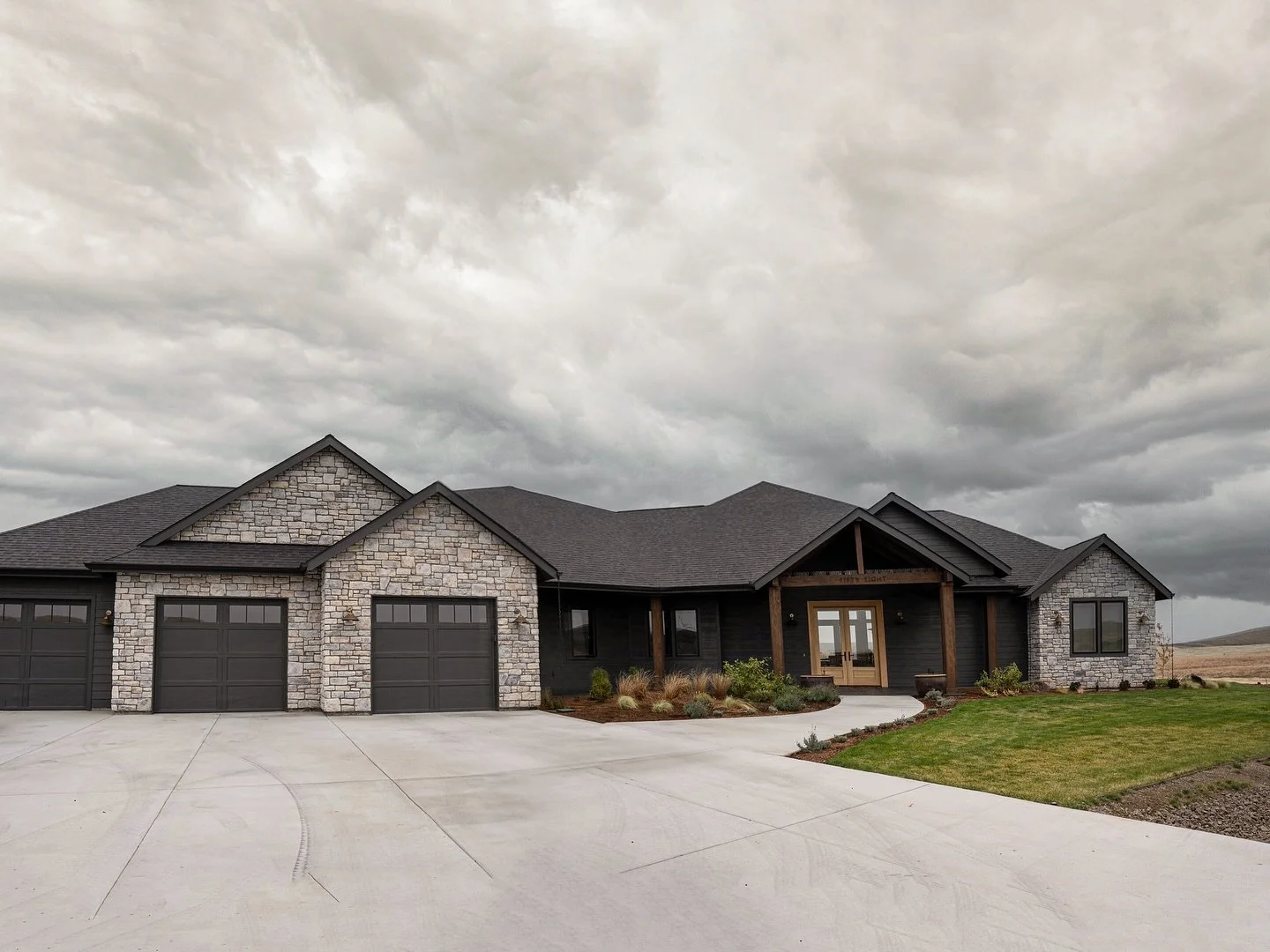
We encourage you to check out our social media to see the projects we build! We find this is an excellent way for potential clients to get a feel for our design aesthetic, attention to detail, and the consistent quality of our craftsmanship.
-
Yes, absolutely. We maintain all necessary legal and financial protections to operate in Washington State and to fully safeguard your project and your personal liability. This is a non-negotiable standard for any professional builder.
Our comprehensive coverage includes:
Licensing: We are a fully licensed General Contractor in Washington State, holding all necessary registrations required by the Department of Labor & Industries (L&I).
Bonding: We are fully bonded, which provides a financial guarantee that we will complete your project according to the contract and within all legal requirements.
General Liability Insurance: We carry robust General Commercial Liability insurance. This policy protects you and your property against damage or injury caused by our work or personnel (e.g., if a piece of equipment damages your existing property or if a passerby is injured due to our negligence).
Workers' Compensation: All of our employees and our direct, W-2 staff are covered by state-mandated Workers' Compensation insurance. Furthermore, we require all of our subcontractors to provide current Certificates of Insurance (COIs) proving they carry their own general liability and workers' compensation coverage before they set foot on your site. This protects you from liability should a worker be injured on your property.
Builder’s Risk Insurance: As a contract requirement, the Owner must secure a comprehensive Builder's Risk policy. This specialized form of property insurance is designed for projects under construction and must cover the structure and materials during the construction phase against damage from vandalism, theft, fire, or other casualty. This ensures your investment is protected from all angles.
Our Washington state contractor license number is BROWNCL869QL. You can verify the active status of our license and insurance on the state's website: https://secure.lni.wa.gov/verify/.
We are happy to provide you with current Certificates of Insurance for our General Liability, Bonding, and Workers' Compensation coverage upon request. This ensures your project is protected from all angles.
-
Absolutely, yes. Since we are a design-build firm, we consider preliminary design and planning to be one of the most critical services we offer. We don't just execute plans; we help create them.
Having a builder involved in the drafting and design phase offers significant advantages, primarily by avoiding the unbuildable or excessively costly designs that are all too prevalent when a design is completed in a vacuum by an inexperienced draftsman or architect.
Our Approach to Design & Drafting:
Integrated Design-Build Process: We partner with you from day one. You can use our in-house drafting services or work with one of our preferred architectural partners. The key is that the builder and the designer are communicating continually. This ensures your creative vision is paired with construction feasibility and budget realism from the very first sketch.
In-House Drafting for Efficiency: We offer in-house drafting services to streamline the process. This keeps communication tight and ensures that cost, buildability, and schedule implications are considered with every line drawn.
Cost and Value Engineering: As the design evolves, we provide real-time feedback on cost implications. We can suggest alternative materials, structural solutions, or layout changes that maintain the aesthetic intent while saving you money or avoiding future construction headaches.
Permitting Foundation: Our collaboration ensures that the final set of plans is complete, accurate, and ready to navigate the local permitting process efficiently, reducing costly delays once construction is ready to start.
By starting with us, you ensure your design is not only beautiful but also practical, cost-effective, and fully buildable.
-
Effective communication is the backbone of a successful custom build. We maintain a structured communication schedule, backed by dedicated tools and regular meetings, to ensure you are always informed and in control.Our Communication Tools
We utilize a comprehensive, customized online system, primarily based on Google Sheets and Drive, for all project communication, documentation, and tracking. This digital system is essential for keeping information organized, centralized, and updated in real time, preventing critical details from getting lost in traditional emails or paper files.
Client Portal (Google Drive/Sheets): You will have 24/7 access to your dedicated project folder in Google Drive. This acts as the single source of truth for your project, where you can:
View the real-time project schedule and timeline (in a shared Google Sheet).
Track the current financial budget and all approved Change Orders (updated monthly in a shared Google Sheet).
Review and approve selections (materials, fixtures, finishes) via a dedicated Selections Sheet and uploaded files.
Access key documents, contracts, photos, and progress logs.
Messaging: We use text message and email for quick, daily communication with your Project Manager (PM) and our team. All key decisions and formal requests are documented and filed within the Google Drive system to ensure they are permanently logged against the correct job activity.
We provide both structured, in-person/virtual updates and frequent informal check-ins:
Weekly Project Meetings: We schedule a dedicated meeting—either in person on-site or virtually—with you and your Project Manager every week. This meeting covers:
Review of the last week's accomplishments.
Detailed look at the schedule for the coming week.
Review and approval of any upcoming material selections or Change Orders.
Address any questions or concerns you may have.
Frequent Project Manager Updates: Throughout the week, your Project Manager provides frequent updates via text or email regarding key milestones, subcontractor progress, and potential issues requiring your immediate input.
Real-Time Schedule and Monthly Budget Access: Because the schedule is a live document and the budget is updated monthly in the shared Google Sheets, you can log in at any time to see the project's status.
Our goal is not just to communicate, but to communicate transparently, immediately, and effectively, ensuring you feel like a fully informed partner throughout the entire construction journey.
-
Description It's a valid concern—construction is full of unexpected variables. Our approach is designed to minimize surprises while maintaining transparency when they do occur.
Since we operate on an Open Book, Cost-Plus, Fixed-Fee model, if a specific line item, such as the framing labor or the plumbing installation, is covered by a firm subcontractor bid (which covers all major systems), that cost is guaranteed to you and will not increase unless you approve a change order to the scope.
For items covered by a provisional Allowance (like tile or lighting fixtures), we work proactively to prevent overages:
Realistic Budgeting: Our allowances are based on current market rates for the quality we design for, not on unrealistically low estimates. We aim to hit or beat these budgets.
Immediate Communication: If we encounter a material cost increase or an unforeseen site condition (like rock during excavation), we stop, notify you immediately, and present all possible solutions, including cost implications, before moving forward. This ensures you maintain control over the decision-making and the budget.
In short, major portions are locked in by firm bids. For budgeted allowances, we coach you aggressively to stay within the range, and for true unexpected costs, we ensure you are the first to know and the final decision-maker on how to proceed.
Some clients prefer the certainty of a single, Fixed-Price Contract. While our Cost-Plus, Fixed-Fee model is designed for maximum transparency and client control, we are absolutely willing to structure the project under a Fixed-Price Agreement if that is your preference.
How a Fixed-Price Contract Works with Us:
A Fixed-Price Contract means we commit to a final total price for the entire scope of work. To make this commitment reliable for both parties, it requires:
Complete Upfront Specification: All design decisions, material selections (e.g., specific tiles, appliances, fixtures, paint colors), and finishes must be finalized and documented before the contract is signed and construction begins.
Comprehensive Bidding: We will complete the time-intensive process of obtaining firm bids for every line item—not just the major systems—to establish the final, guaranteed price.
Limited Flexibility: Once the contract is signed, any change or upgrade you request will require a formal Change Order, which may include additional costs and fees to account for revised materials, labor, and administrative overhead.
In short, if you value a locked-in price above all else and are comfortable making all decisions upfront, the Fixed-Price Contract is a viable option. We will dedicate the necessary time in the pre-construction phase to ensure every detail is defined so that the final number is accurate and guaranteed.text goes here
-
That's an excellent and fair question. We understand that certainty and transparency are critical when building a custom home.
We operate primarily using a Cost-Plus, Fixed-Fee model. We find this model offers our clients the highest level of transparency and control while still providing a predictable final cost.
Here is how we ensure budget predictability and transparency:
Fixed Management Fee: We establish a single, fixed management fee upfront. This fee covers our overhead, profit, and project management, and it will not change, regardless of the project's final cost.
Open Book: All construction costs—materials, labor, and subcontractor invoices—are presented to you with complete transparency. You see exactly what we pay, ensuring you benefit from any discounts we receive.
Firm Bidding for Major Portions: To control major expenses, all large segments of the construction (e.g., foundation, framing, HVAC, plumbing, electrical) are put out for firm, competitive bids from our qualified trade partners. These are concrete numbers before construction begins.
Allowances for Selections: For details that haven't been specified yet (like specific tile, lighting fixtures, or appliances), we establish realistic Allowances. These budgets are based on the quality level we've mutually designed for your home. We actively guide you to make selections within these allowances to avoid surprises.
Because our management fee is fixed, our incentive is aligned with yours: to build your home as efficiently and cost-effectively as possible. We provide detailed budgeting throughout the process, giving you the ability to approve every expense and maintain control over the total cost.
-
That's a very practical question, and it gets to the heart of why we use our transparent Cost-Plus, Fixed-Fee model.
In construction, costs can increase in two primary ways:
1. Cost Increases on Items Covered by a Firm Bid
This is rare. Major costs (framing, foundation, roofing, major mechanical systems) are covered by firm, fixed-price bids from our subcontractors. The only way this cost would change is if:
A Change Order is Issued: You decide to modify the scope of work (e.g., upgrading the HVAC system, increasing the size of a room). In this case, we document the new cost clearly, and you must formally approve the change before the work proceeds.
An Unforeseen Condition is Discovered: For example, during excavation, we hit rock that was not detected in the soil report. In this scenario, we immediately stop, document the issue (often with photos), and present you with the necessary options and their exact cost implications for removal or design change. We never move forward until you give explicit, written approval for the solution.
2. Cost Increases on Items Covered by an Allowance
Allowances cover items where the final selection hasn't been made yet (e.g., specific tile, appliances, light fixtures).
We coach you aggressively to stay within the allowance. However, if you select a material that exceeds the budgeted Allowance, the difference is simply added to the project's total cost. Since our management fee is fixed, we gain nothing from this increase; it is purely a reflection of your selection.
We communicate the cost difference before you order the item. When you are making selections, we provide real-time cost tracking so you know exactly how your choice impacts the budget before the purchase is finalized.
In either scenario, our commitment is that no unexpected cost is incurred without your prior knowledge and written approval. The risk of a surprise expense landing on you without warning is eliminated by our "stop and communicate" protocol.
-
That's a direct and important question, and the answer is simple: Almost all of them.
We are very good at staying on budget, especially when we are allowed to execute the project as defined in the final, approved scope of work. We understand that a home build is likely the largest financial investment our clients will ever make, and financial predictability is paramount to our success and reputation.Our Commitment to Budget Accuracy
Our process is designed to eliminate surprises. We approach "staying on budget" using two key metrics:
Project Cost (Against Final Approved Budget): We track the total money spent compared to the final budget, which incorporates all client-approved changes. Historically, 95% of our projects finish either on or under this final approved budget. The reason this number is so high is because we do not allow any changes or variances—no matter how small—to proceed without an explicitly signed Change Order from the client. The final budget always reflects your exact decisions and approvals.
Original Estimate Accuracy (Against Initial Bid): If we exclude any client-requested upgrades (like moving from standard flooring to high-end custom tile) and focus only on variances caused by market shifts or unforeseen site conditions, we stay on or very close to the original contract estimate almost every time. Our rigorous pre-construction process minimizes unknowns, meaning our initial bids are highly accurate and reliable.
The Role of Change Orders and Unforeseen Conditions
A budget overrun is almost always the result of one of two factors:
Client-Requested Upgrades: The single most common reason a final project cost exceeds the initial bid is a client deciding to upgrade materials or add features once construction has started (e.g., opting for smart home integration mid-build, selecting a more expensive cabinet line, or adding a deck). We welcome these changes, but they are tracked transparently as Change Orders, which are approved by you and added to the budget.
Massive, Unforeseen Market Swings: While rare, global economic factors can cause sudden and substantial increases in the cost of raw materials (like the sudden doubling of lumber costs seen during certain periods). While these instances are rare, they do happen but we always work diligently to lock in pricing early to mitigate this exposure for our clients.
If we exclude any client-requested upgrades and massive, unforeseen market swings, our construction costs stay on or very close to the original budget almost every time. Our reputation is built on delivering what we promise, at the price we propose.
-
That's a key question, and while every custom home is unique, we can provide very accurate timelines based on the current market and the complexity of your design.
Typical Timeline Breakdown
Our projects are generally broken down into two major phases: Pre-Construction and Construction.
Phase
Duration (Typical Range)
Key Activities
Pre-Construction
3 to 6 months
Final design, engineering, material selections, permitting, firm bidding.
Construction
9 to 12 months
Site work, foundation, framing, roofing, rough-ins, finishes, and final walk-through.
Remodel
3 to 9 months
Demolition, framing, rough-ins, finishes, and final walk-through.
Total Project Length
12 to 18 months
From first contact to move-in day.
Factors Affecting Your Schedule
The specific timeline for your home will depend heavily on three main factors:
Complexity of Design: A simpler, rectangular home on a flat lot will move faster than a highly custom, multi-story home on a sloped site requiring extensive excavation or complex structural engineering.
Client Selection Speed: The speed at which you, the client, finalize decisions on materials, fixtures, and finishes (e.g., specific flooring, cabinets, paint colors, appliances) directly impacts the schedule. Delays in making these selections can halt ordering, delay the start of specific subcontractor work, and potentially push back the entire project timeline. To keep the project moving smoothly, we provide a detailed selections schedule and work with you early in the pre-construction phase to make these critical decisions before they become a constraint in the field.
Permitting Time: Local municipality approval times vary significantly. While we are experts at preparing and submitting comprehensive permit packages, we are ultimately subject to the local planning and building department's schedule.
The Reality of Unforeseen Delays
Despite meticulous planning, custom home construction is a complex, field-based process that is subject to real-world variables outside of our control. Our commitment is not a guaranteed calendar date, but rather a guarantee of diligent management and transparent communication to navigate these challenges.
Factors that can impact the timeline include:
Weather and Site Conditions: Severe weather (heavy rain, excessive snow, high winds) can stop critical work like pouring concrete, framing, or roofing. This is a common and unavoidable factor, especially during certain seasons.
Subcontractor and Supply Chain Delays: While we work with reliable trade partners and lock in material orders early, unforeseen issues can arise, such as a key subcontractor having a scheduling conflict, or a critical, custom-ordered material being back-ordered by the supplier.
Inspections and Municipal Reviews: While permitting is handled in the pre-construction phase, required in-progress inspections (e.g., foundation, framing, plumbing rough-in) are subject to the municipality's schedule, which can fluctuate.
Health and Safety Incidents: Unfortunately, site injuries or illnesses can temporarily impact the availability of essential crew members or require a temporary work stoppage for safety reviews.
Our Commitment to Diligence:
Browning Construction LLC prioritizes project integrity, quality, and safety over a fixed move-in date. We ensure constant progress, adapting to unforeseen conditions, material issues, or weather delays without compromising craftsmanship or safety. We view guaranteed dates as risky, speculative promises. Instead, we offer transparency, detailed updates, and a final product built to the highest standards, guaranteeing the enduring value of your investment.
-
Schedule management is one of our most critical responsibilities, and while we plan meticulously, the reality of custom construction means delays can occur.
Our Protocol for Schedule Management
If we encounter a challenge that threatens to push the project past the projected timeline, our process is built on immediate communication and proactive problem-solving:
We follow up with a mitigation strategy, which may include:
Material Alternatives: Presenting comparable, in-stock options if a material is back-ordered.
Increased Crew Size: Adding personnel to recover lost time, if possible, may not be possible without additional expense.
Our Commitment: We will not rush the work or compromise quality to hit an arbitrary date. Our commitment is to manage the schedule diligently, communicate transparently, and use every resource at our disposal to keep the project moving forward efficiently and safely. You will be an informed partner in navigating any schedule adjustments.
"Do you pay us if you miss the move-in date?"
We do not offer a penalty payment (often called liquidated damages) for a missed move-in date, and here is why:
Custom home construction, as detailed previously, is subject to numerous factors outside of our control (weather, permitting, client selection delays, unforeseen site conditions). Guaranteeing a move-in date with a financial penalty creates an incentive for a builder to cut corners, compromise quality, or rush critical phases of construction to avoid a financial loss.
Our priority is quality and integrity over a calendar date.
Instead of a financial guarantee, our commitment is to provide you with:
Detailed, Realistic Scheduling: Our timelines are based on current market conditions and a buffer for typical delays, not optimistic speculation.
Diligent Management: We maintain constant, proactive communication with all trade partners and suppliers to mitigate potential delays before they occur.
Transparent Communication: If a delay is unavoidable (e.g., due to a supplier back-order or severe weather), you will be notified immediately, along with a revised schedule and the steps we are taking to recover lost time.
We believe the value of your custom home lies in its enduring quality, not in meeting an arbitrary, speculative date. We focus on building it right, with you as an informed partner throughout the process.
-
A warranty is only as good as the builder standing behind it. We provide a comprehensive warranty package that meets or exceeds industry standards, and we're so confident in our work we offer a non-standard 3-year workmanship and systems warranty, unlike other builders who only offer a 1-year craftsmanship warranty. We back it up with a dedicated process and a strong commitment to remaining in business for the long term.Our Enhanced Warranty Structure
We offer the structural "3-3-10" warranty, detailed as follows:
3-Year Workmanship and Systems Warranty: For three years following the closing date, we warrant the home against defects in materials and workmanship and cover the home's mechanical and distribution systems, including:
Siding, paint, trim, and finishes.
Doors, windows, and hardware.
Plumbing supply and distribution systems.
Electrical wiring, including main panel and circuits.
Heating, ventilation, and air conditioning (HVAC) systems.
This 3-year term combines and extends the typical 1-year workmanship and 2-year systems warranties.
10-Year Structural Warranty: For ten years, we warrant the home against major structural defects, including damage to load-bearing functions of the foundation, framing, and walls.
The Commitment Behind the Warranty
The warranty document is a legal contract, but our actual commitment is to your long-term satisfaction.
Dedicated Response: We treat warranty requests as our highest priority, assigning the appropriate team member to address the issue immediately. Our goal is to assess and schedule the fix for any emergency/critical issue within 24-48 hours.
Subcontractor Accountability: If a warranty issue is traced back to a specific subcontractor (e.g., a plumbing leak), we manage the entire process, holding that sub accountable and ensuring they perform the repair to our standards at no cost to you.
Financial Stability: We maintain the necessary licensing and insurance, and our business structure is designed for long-term operation. When you choose us, you are choosing a partner who will be here to honor the 10-year commitment. We view our reputation as the ultimate warranty policy.
-
That's a key question about quality and consistency. We believe that relying on the cheapest bid often leads to compromises in quality, delays, and callbacks. Our priority is proven performance, reliability, and excellent craftsmanship.
Our Trade Partner Philosophy: Quality Over Lowest Price
We operate on a Strategic Partner model, not a lowest-bid model.
Vetted, Established Relationships: We have cultivated long-term working relationships with a core group of subcontractors (plumbers, electricians, framers, etc.) who consistently meet our high standards for quality, safety, and reliability. We are familiar with their work, and they are familiar with our demanding process.
Competitive but Fair Pricing: We require our partners to provide competitive pricing, but we recognize that quality labor demands a fair wage. We avoid "bid-shopping" and instead focus on getting the best value—a combination of quality work, timely execution, and a reasonable cost.
Consistency and Predictability: By using the same proven crews, we achieve greater predictability in our schedule and a higher consistency in the quality of the work. These partners act as an extension of our own team, which streamlines communication and issue resolution.
-
We understand that it can be challenging to visualize a three-dimensional home from two-dimensional blueprints. Our design and pre-construction process is specifically designed to eliminate this fear and ensure you are completely confident in the final product before we ever break ground.
We use professional tools and experience as a standard part of our service to bring your custom home to life visually:
2D Floor Plans and Elevations: Our initial and ongoing focus is on precise 2D plans and exterior elevations. We work collaboratively to ensure every dimension, flow, and aesthetic detail is captured and approved on paper.
3D Architectural Renderings (Available as Needed): High-quality 3D exterior renderings of the home from multiple angles are available upon request or as required for complex designs. These renderings allow you to see the finished design, massing, rooflines, and material textures, ensuring the exterior aesthetic aligns perfectly with your vision.
Interior Elevation Drawings: For critical spaces like the kitchen, master bath, and built-ins, we provide detailed interior elevation drawings. These drawings show the exact placement and design of cabinets, tile, fixtures, and other finishes, removing guesswork and ensuring the built-in elements are exactly what you expect.
Our goal is that by the time the foundation is poured, you have seen every corner of your home visually through the approved plans and elevations, and have approved the design with complete confidence. The entire pre-construction phase is a collaborative visualization exercise, so there are no aesthetic surprises when you move in.
-
"Can we walk through one of your homes that’s the same style?"
We understand your request to view our craftsmanship firsthand. Completed residences are private, a fact we are committed to respecting. However, some homeowners are willing and pleased to open their homes for a tour. While we cannot offer a guarantee, we will certainly inquire about the possibility of arranging a viewing for you.
Other ways to assess our quality:
Tour a Project In Progress (The "Bones" Tour): Highly recommended. See the structural integrity, meticulous rough-in work (plumbing, electrical, HVAC), and site organization before drywall installation.
Digital Portfolio: We offer extensive professional photos and virtual tours of similar-style homes.
Client References: We provide references from past clients who can speak to our process and quality.
-
That is a significant concern, and it gets to the heart of why the Pre-Construction Phase is so vital.
A major layout change after framing has begun is highly discouraged, as it can be costly and lead to significant delays. At that point, the entire structure—including the foundation, load-bearing walls, and rough-in locations for mechanical systems (plumbing, electrical, HVAC)—has been committed to the approved design.
Our Protocol for Post-Framing Changes
If, despite all the planning, you determine a change is absolutely necessary, here is how we handle it:
Stop Work and Assess: We immediately stop work on the affected area to fully assess the scope of the required change.
Structural and Cost Review: Our team and the relevant trade partners (e.g., framer, structural engineer, plumber, electrician) review the change. We determine:
Feasibility: Can the change be made without compromising the structural integrity of the home?
Cost Impact: What are the exact costs for demolition, material waste, new materials, and additional labor?
Time Impact: How much time will the change add to the construction schedule?
Formal Change Order: We present you with a detailed, formal Change Order documenting all three impacts (feasibility, cost, and time).
Client Approval: The change will only proceed after we receive your explicit, written approval on the Change Order.
Preventing Post-Framing Changes
Our pre-construction process is specifically designed to eliminate the need for costly field changes:
Detailed Design Review: We require final approval on all 2D floor plans and elevations, ensuring room dimensions, window placements, and traffic flow are exactly what you want before the first shovel hits the ground.
Interior Elevation Drawings: For kitchens, baths, and built-ins, you approve detailed drawings that show the exact placement and relationship of every cabinet, fixture, and wall, eliminating guesswork about the final layout.
Our goal is simple: Commit the design on paper, not in the field. This rigorous process ensures that by the time framing starts, you are 100% confident in the layout of your new home. -
We understand that a custom home is a massive investment, and your peace of mind regarding post-move-in support is critical.
We fix things after closing.
Unlike production builders, our commitment to you does not end on move-in day. We stand by our work and our warranty.
Direct Communication: Once you move in, all warranty requests will be directed to your Project Manager or our designated Construction Team member. They will ensure your issue is tracked, prioritized, and addressed quickly, working directly with the most appropriate specialist or subcontractor.
Rapid Response Protocol: We classify all requests based on urgency. Our goal is to assess and schedule repairs for any emergency issue (e.g., major leak, essential system failure) within 24-48 hours. Non-critical issues are scheduled efficiently to minimize disruption to your life.
Specialist Management: We manage the entire process, including scheduling and overseeing any subcontractors or in-house specialists needed for the repair. If a roof detail needs attention or an HVAC system needs adjustment, the appropriate team member handles all coordination to ensure the work is completed correctly and within our warranty standards.
We view our warranty period as the final phase of the build, guaranteeing the integrity and function of your new home. Our reputation depends on honoring our commitments long after the closing date.
-
This is an extremely insightful question, as unrealistic allowances are a common way builders make an initial bid look artificially low.
We design our allowances to be realistic and achievable for the quality of home we are building. We do not use "builder-grade" or bargain-basement pricing to keep the initial budget down.
Our Allowance Philosophy: Realistic and Achievable
Based on the Design: Our allowances are calculated based on the specific aesthetic and quality level outlined in your final design drawings. If your plans call for a high-end, custom kitchen, the cabinet allowance will reflect current pricing for high-end, custom cabinets—not a budget stock option.
Market-Driven Pricing: We base our allowance numbers on current, real-world pricing from our trusted suppliers and trade partners, including a reasonable buffer for delivery and installation costs.
Proactive Guidance: We don't just set the number and walk away. During the selection process, we actively guide you to products and materials that fall within the budgeted range. We bring in our suppliers early to present options that meet both the quality requirements and the financial allowance.
Where Do Clients Typically See Overages?
While our allowances are accurate, the reality is that it is common for clients to upgrade certain items, which results in an overage. This is not because the allowance was insufficient, but because the client chose to purchase a product that was a higher quality or more detailed than what was originally designed for the budget.
The most common areas for client-driven upgrades are:
Cabinetry: If the design calls for standard cabinetry, but the client decides to upgrade to full-custom, inset cabinets with specialized interior fittings (e.g., automated drawers, custom spice racks), this will increase the final cost.
Flooring: Customers often limit their budgets in the planning stage to keep the numbers down, but once they start shopping for products, they realize their favorite options or highly customized tile patterns/layouts they love will cost them a little bit more than what was budgeted for.
Electrical Package: Expanding the budgeted electrical package (e.g., adding more recessed lights, outlets, or specialty wiring) after the framing walk-through, as changes become significantly more costly once the walls are covered.
The Key Takeaway: You absolutely can finish your home within the allowance budgets, and we coach you to do so. If you choose to upgrade, that decision is 100% yours. We track the overage transparently, and since our management fee is fixed (Cost-Plus, Fixed-Fee), we do not make any additional profit from your selection upgrades. We simply pass the actual cost difference through to you.
-
That's a transparent question, and the answer speaks directly to the advantage of our Cost-Plus, Fixed-Fee model.
No, we do not make additional profit on routine change orders or client-requested upgrades.
Our financial commitment to you is structured as follows:
Fixed Management Fee: Our fee, which covers our overhead and profit, is a single, fixed number established at the beginning of the project. It does not change if the final construction cost increases due to routine upgrades or minor change orders.
Pass-Through Cost: When you approve an upgrade (e.g., choosing a more expensive appliance or adding a structural feature via a Change Order), we pass the actual cost of that material and the associated labor/subcontractor fee directly to you, with complete transparency. We add no mark-up or profit margin to that cost.
Exceptions to the Fixed Fee:
Administrative Fee: For a complex Change Order (one that requires re-engineering, re-bidding, or significant administrative time), we may charge a minor, documented administrative fee to cover the specific time our team spends revising drawings, coordinating new bids, and adjusting the schedule. This fee is strictly to recover our operational cost, not to generate profit.
Significant Scope Change/Risk Increase: If a Change Order results in a significant change to the overall project scope of work (e.g., adding an entire floor or wing) or excessively increases to our project risk (e.g., a major structural change,unplanned materials that are excessively expensive), we reserve the right to negotiate an adjustment to the Fixed Management Fee. This would only occur in extraordinary instances where the complexity or duration of our management responsibilities significantly exceeds what was agreed upon in the original contract.
In Summary: Our fixed-fee model aligns our incentive with yours. We are motivated to execute the approved plan efficiently, not to encourage or profit from routine cost increases or changes.
-
Yes, you absolutely can supply your own materials, often referred to as Owner-Supplied (OS) items.
This is a common request, and we are happy to accommodate it for items like specific light fixtures, unique tile selections, high-end appliances, or special hardware. In our Cost-Plus, Fixed-Fee model, supplying your own materials is a straightforward way to maintain maximum control over your selections and potentially reduce your project's overall cost by purchasing from a vendor where you have a relationship or secured a better deal.
Our Protocol for Owner-Supplied (OS) Items
To ensure a smooth construction process, we have a clear, managed protocol for all Owner-Supplied items:
Selection and Specification: All OS items must be finalized, documented, and approved by our team prior to their installation phase. We need to review the product specification sheets to ensure they are compatible with the home’s systems and design (e.g., confirming electrical requirements for appliances or structural needs for heavy fixtures).
Delivery and Storage: You are responsible for the purchase, delivery, and initial storage of the items. We require all OS materials to be delivered to the site on time and in their original, undamaged packaging. We will provide the necessary lead time schedule to ensure materials arrive when they are needed by the subcontractors.
Warranty and Damage: You assume the risk of the material itself. If an OS item arrives damaged or is found to be defective after installation, the cost and time associated with replacing the item and coordinating the repair or re-installation will be charged to the project as a necessary construction cost. Our warranty covers our installation work, but not the inherent quality or defect of the material you supplied.
We aim to make the process as seamless as possible, but for the sake of the schedule, it is vital that you manage the purchasing and timely delivery of these items according to the schedule we provide. If an OS item is delayed, it can halt the work of our subcontractors and potentially impact the entire project timeline.
-
That is a crucial distinction, and the short answer is: We build to the high-performance energy standards required by Washington State.
Building code represents the minimum threshold for safety and habitability. Washington's energy codes have increased significantly, making new homes here meaningfully more efficient—likely 15–25%+ in energy performance than the typical new home across the rest of the country. Our homes are designed and constructed for enduring quality, high-level comfort, and exceptional long-term energy performance that meets and is verified against current state requirements.Our Commitment to High Performance
The Washington State Energy Code has worksheets that allow us to choose the energy upgrades; these are some of the options that can be chosen to meet the high standard required.
Airtightness (The "Tight Box"): This is perhaps the most significant factor in comfort and energy efficiency. We utilize continuous air barriers and rigorous sealing protocols to minimize uncontrolled air leakage. Every home is subject to a Blower Door Test upon completion (or during construction) to measure airtightness and ensure it meets Washington code.
Continuous Insulation: We employ strategies that create continuous thermal breaks, minimizing thermal bridging (where heat is transferred through structural components). This includes advanced wall assemblies and meticulous detailing around windows and doors to maintain consistent temperatures and eliminate cold spots.
Advanced Mechanical Systems: We design and install high-efficiency HVAC systems (often including heat recovery ventilation, or HRV/ERV) to manage indoor air quality and maintain consistent comfort while minimizing energy consumption. A high-performance envelope requires a right-sized, high-performance mechanical system.
High-Efficiency Hot Water: Utilizing heat pump water heaters (HPWH) which are significantly more efficient than standard electric or gas models.
Taking Efficiency Further
We love energy efficiency. If you would like to build even better than the current Washington standard, we are on board and ready to offer suggestions on how we can do that, potentially targeting Net-Zero Ready or Passive House levels. This often involves:
Solar PV Integration: Sizing and incorporating solar photovoltaic systems to offset most or all annual energy usage.
Insulation Upgrade: Moving beyond prescriptive code R-values to higher performance (e.g., thicker walls, sub-slab insulation).
Ultra-High Efficiency Windows: Specifying triple-pane, low-U-factor window assemblies.
We build homes that are healthier, quieter, more comfortable, and dramatically more efficient under Washington's high-performance code, ensuring the lasting value of your investment.
-
That is a completely valid concern. Challenging lots—whether due to steep slopes, complex geotechnical issues, or regulatory constraints like wetlands or critical areas—require a high level of expertise.
We specialize in complex, custom home construction on challenging sites. Unlike production builders who require a simple, flat lot, our process is specifically designed to manage the unknowns and complexities of unique properties.
Our Protocol for Challenging Lots:
Early Site Assessment and Due Diligence: The first step in our Pre-Construction Phase is a comprehensive site assessment. We do not rely solely on existing records. We partner with specialized professionals to understand the constraints:
Geotechnical Engineers: To assess soil stability, bearing capacity, and slope risk (especially critical for hillside lots).
Civil Engineers: To design precise solutions for drainage, retaining walls, driveway access, and utility connections (septic, well, or sewer/water).
Environmental Consultants: To delineate any critical areas (wetlands, streams, floodplains) and manage the regulatory permitting process.
Integrated Design Solutions: We work with your architect and engineering team to integrate the build design with the site constraints. For example, on a steep slope, we often design for a daylight basement or strategically placed retaining walls to minimize excavation and maximize the usable space and view.
Regulatory Expertise: Building on a complex lot often means navigating a more involved permitting process with multiple agencies (county planning, health department for septic/well, etc.). We are experienced in managing these intricate permit applications, ensuring all environmental and zoning requirements are met.
The Key Takeaway: Your unique lot is not a deterrent for us; it's a typical part of the custom home challenge that we are equipped to handle. Our investment in the Pre-Construction Phase is designed precisely to "figure out" the best, most cost-effective, and code-compliant way to build on your specific property before construction even begins. -
Securing the necessary permits is one of the most critical and time-consuming elements of the Pre-Construction Phase.
We handle all permits on your behalf.
As your builder, we manage the entire permit process—from compiling the application to submitting plans and liaising with the local municipality. We consider this a core part of our project management service, as it requires specialized knowledge of the local codes, jurisdiction requirements, and submission processes.
Our Permit Management Protocol:
Preparation and Submission: Once the final architectural and engineering plans are approved, we prepare the comprehensive permit package, including all necessary forms, site plans, and fee calculations. We submit the entire package to the relevant local planning/building department.
Tracking and Liaison: We actively track the application's status, respond to all review comments, and manage any required revisions (often called "red-lines"). This critical back-and-forth process with the planning department is what typically delays projects, and we have dedicated personnel focused on maintaining momentum.This critical back-and-forth process with the planning department is what typically delays projects, but we stay on top of this to ensure progress is continually made.
Specialized Permits: For complex sites (e.g., those requiring septic, well, critical area review, or extensive grading), we coordinate the necessary sub-permits or reviews from other agencies (e.g., the local Health Department or Environmental Agencies).
Your Role: Your primary role is to ensure all design decisions (especially materials and systems) are finalized and approved early so that the plans we submit are complete and accurate. You will also be responsible for paying the municipal permit fees, which are a direct pass-through cost added to your project budget.
By keeping the entire permit process under our management, we ensure that it is handled professionally and efficiently, minimizing delays and errors that could impact your construction timeline.
-
In a custom home build, you are the final decision-maker on all finishes, materials, and design elements. Our role as the builder is to execute your vision flawlessly, not to substitute our own.
Our primary model, the Cost-Plus, Fixed-Fee contract, is specifically designed to maximize client control and transparency over both design and budget.
The phases where your control is absolute:
Design and Specification (Pre-Construction Phase):
Final Plan Approval: Every architectural drawing, floor plan, elevation, and structural detail must receive your explicit, written approval before we begin construction or order long-lead materials.
Material Selection: You select every finish—from the specific model of refrigerator to the type of tile, the brand of paint, and the style of cabinet hardware. We provide guidance, expertise, and supplier access, but the final choice is always yours.
Budget Alignment: We work with you to ensure your material selections align with the budget allowances. If you choose an upgrade, you approve the added cost before the purchase is made.
During Construction (Change Orders):
No Unapproved Changes: We will never deviate from the approved plans, specifications, or material selections without a formal, written Change Order that clearly outlines the change, the cost impact, and the schedule impact, all signed by you.
Issue Resolution: If an unforeseen site condition or supply chain issue arises, we stop, present the issue and all possible solutions, and wait for your explicit approval before moving forward.
In short, your control is maintained through a rigorous documentation and approval process. We build what you approve, and we only move forward when you say so. Our transparent process ensures you are an informed partner in every critical decision, guaranteeing that the final house is a true reflection of your vision. -
That's a great question, and we strongly encourage client involvement and site visits! Seeing your home take shape is one of the most exciting parts of the custom build process.
However, a construction site is an active and inherently dangerous work environment. Site visits must be scheduled in advance, and no one should be onsite without pre-approval.
Our Protocol for Site Visits
Always Schedule in Advance: Site visits must be scheduled with your Project Manager (PM) at least 24 hours in advance. This ensures the site is prepared, any necessary equipment is secured, and the PM is available to guide you.
Required Safety Gear: Appropriate attire is mandatory for an active jobsite, including full closed-toe footwear and hearing protection.
Accompanied Visits Only: You must be accompanied by your Project Manager or another designated member of the Browning Construction team at all times. This is for your safety and to minimize disruption to the crew.
The Key Takeaway: We want you on site, but only safely and with communication. Please let us know when you plan to stop by. Unannounced visits are not permitted as they pose a safety risk and interrupt the focus of the trade partners working on your home.